
If you’re searching for the best coastal roads in the world, you’re not alone. Scenic drives along dramatic cliffs, turquoise seas, and charming villages are among the most unforgettable travel experiences.
We reveal four of the most breathtaking coastal roads on Earth—routes that combine natural beauty, culture, and pure driving pleasure. Whether you’re planning a European road trip or looking for your next adventure, these destinations should be at the top of your list. The best coastal roads in the world offer more than just a drive—they deliver unforgettable experiences shaped by dramatic cliffs, endless ocean views, and iconic landscapes.
From the legendary Amalfi Coast in Italy to the surreal Mars-like terrain of Pag Island, these scenic coastal drives are among the most breathtaking routes on Earth. In this guide, we rank the top coastal roads globally based on beauty, uniqueness, and driving experience.
🌊 1. Amalfi Coast – Italy’s Iconic Cliffside Drive (Costiera Amalfitana) – The Ultimate Scenic Drive
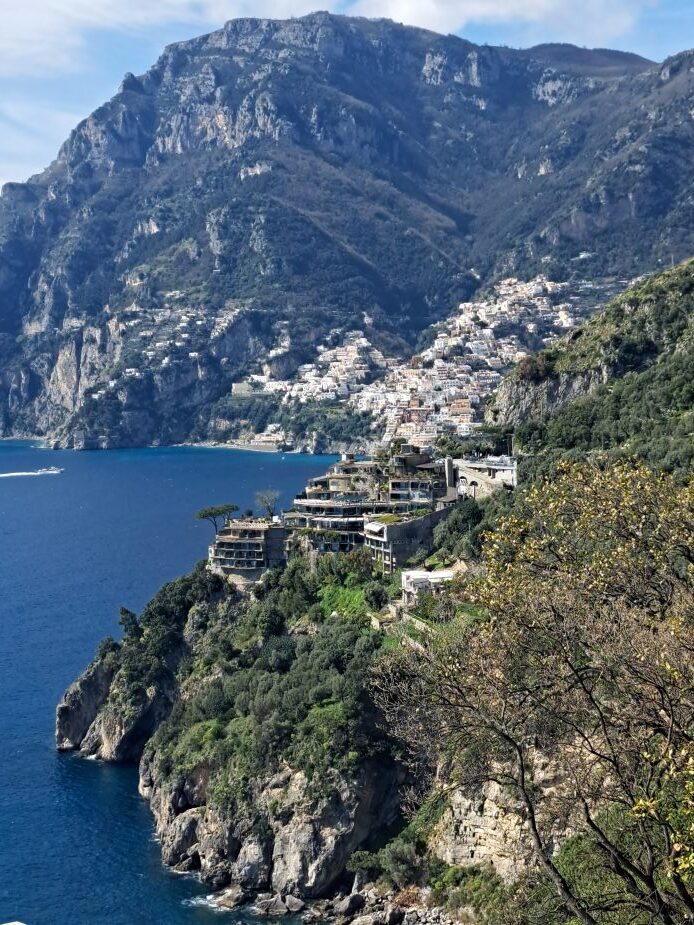
Costiera Amalfitana Positano photo made by Blaž Fabjan – the most sceninc and iconic road on the planet (tradition, nature, food, culture, heritage) – The Best Coastal Roads
The Amalfi Coast is widely considered the most beautiful coastal drive in the world—and for good reason. Stretching along the southern edge of Italy’s Sorrentine Peninsula, this UNESCO-listed coastline is a masterclass in natural drama and human artistry, where vertical cliffs plunge into a shimmering Mediterranean and centuries-old villages cling impossibly to the rock.
To drive the Amalfi Coast is to enter a living postcard. The road—famously narrow, serpentine, and carved into the mountainside—unfolds like a ribbon between sky and sea. Each bend reveals a new composition: terraced lemon groves glowing in the sun, fishing boats dotting the horizon, church domes rising above clusters of pastel homes. It is a place where the journey is not merely a means of getting from one point to another, but the very essence of the experience itself.
Amalfi Coast info (official tourism)
A Landscape Sculpted by Time
The Amalfi Coast’s beauty is not accidental—it is the result of millennia of geological forces and human adaptation. The cliffs rise dramatically from the sea, forming a rugged coastline that has both challenged and inspired those who settled here. Over time, locals carved terraces into the steep slopes, cultivating lemons, olives, and vineyards in defiance of gravity.
These terraces are not just agricultural—they are cultural symbols. They tell a story of resilience and harmony between people and nature. As you drive, you are not only witnessing breathtaking scenery, but also a landscape shaped by generations who understood how to live within it, not against it.

Amalfi coast scenic and iconic drive (Photo made by Blaž Fabjan) – The Best Coastal Roads
The Road Itself: A Legendary Drive
Often referred to as one of the most scenic drives in Europe, the Amalfi Coast road (Strada Statale 163) is an engineering marvel. Built along cliffs that drop sharply into the sea, it winds through tunnels, over bridges, and around tight hairpin turns that demand both attention and appreciation.
Driving here is not about speed—it is about immersion. The road invites you to slow down, to open your windows, and to let the scent of citrus and salt air fill the car. It is a sensory experience, where sound, light, and movement blend into something unforgettable.
Yet, it is also a road that commands respect. Its narrow passages and sharp curves require careful navigation, especially during peak tourist seasons. But for those willing to embrace its rhythm, the reward is unparalleled.

Amalfi Town – Italy (photo by Blaž Fabjan)
Villages That Define the Coast – The Best Coastal Roads
No description of the Amalfi Coast would be complete without its iconic villages—each with its own character, charm, and story.
Positano, perhaps the most photographed, cascades down the cliff in a cascade of pastel hues. Its narrow streets, boutique shops, and beachside cafés create an atmosphere that feels both luxurious and intimate. From the road above, it appears almost unreal—a vertical village suspended between mountain and sea.
Further along lies Amalfi, the historic heart of the region. Once a powerful maritime republic, Amalfi today blends history with coastal elegance. Its cathedral, rising dramatically from the central square, stands as a reminder of the town’s storied past.
Above it all, quite literally, is Ravello. Perched high above the coastline, Ravello offers some of the most breathtaking panoramic views in Italy. Its gardens—particularly those of Villa Cimbrone and Villa Rufolo—seem to float above the sea, providing a perspective that transforms the coastline into a living painting.
Why It’s Ranked #1 in the World
What elevates the Amalfi Coast above other scenic drives is not just its beauty, but its balance. It offers a rare combination of:
- Natural grandeur – cliffs, sea, and sky in constant dialogue
- Cultural richness – architecture, cuisine, and history intertwined
- Emotional impact – a sense of wonder that lingers long after the journey ends
Amalfi coast scenic drive full article
Unlike many destinations that excel in one dimension, the Amalfi Coast delivers a complete experience. It is equally rewarding for drivers seeking adventure, photographers chasing light, and travelers searching for authenticity.

Amalfi coast drive is the best coastal road on the planet (photo by Blaž Fabjan)
The Art of Slow Exploration
While the road itself is a highlight, the true magic of the Amalfi Coast reveals itself when you slow down. This is not a destination to rush. It invites pauses—at viewpoints, in small cafés, along quiet stretches of coastline where the sea laps gently against the rocks.
Walking through a village, you notice details that are invisible from the road: hand-painted ceramics, the aroma of fresh espresso, the rhythm of daily life unfolding in narrow alleyways. Time seems to stretch here, allowing you to absorb not just the sights, but the atmosphere.
This is why many travelers choose to combine driving with short stays in different towns. Each stop adds depth to the journey, turning a scenic drive into a layered experience.
Practical Travel Tips
To fully appreciate the Amalfi Coast, timing and preparation are essential:
- Best time to visit: Late spring (May–June) and early autumn (September) offer ideal conditions—pleasant weather, fewer crowds, and softer light for photography.
- Avoid peak summer: July and August bring heavy traffic and intense heat, which can diminish the experience.
- Choose the right vehicle: Smaller cars are easier to handle on narrow roads.
- Plan your stops: Ravello is a must for panoramic views, while lesser-known viewpoints along the الطريق often provide equally stunning perspectives without the crowds.
For those who prefer not to drive, local buses and private transfers offer alternatives—though they lack the freedom and intimacy of having your own vehicle.

Amalfi landscape and rocks formation – The Best Coastal Roads in the World (photo by Blaž Fabjan)
A Timeless Travel Experience
In an era where travel trends come and go, the Amalfi Coast remains timeless. It continues to captivate new generations of travelers, not because it changes, but because it endures. Its beauty is not manufactured—it is inherent, deeply rooted in the land and its history.
Whether you visit for the first time or return again, the experience is never the same. Light shifts, seasons change, and each journey reveals something new. It is a destination that rewards curiosity and invites reflection.
👉 If you’re creating a bucket list of scenic drives, the Amalfi Coast is not just an option—it is an essential chapter.
👉 If you’re creating a bucket list of scenic drives, the Amalfi Coast is non-negotiable.
- Length: Approx. 84 km
- The famous scenic stretch (SS163) runs from Sorrento to Salerno
👉 Short distance, but very slow driving due to curves and traffic
🇫🇷 2. Les Corniches, Côte d’Azur – French Riviera Elegance

The seafront of Villefranche – Image source Stock Photos from EQRoy – Shutterstock (https://www.shutterstock.com/photos)
Unlike many coastal drives defined by a single road, Les Corniches present a layered journey—three parallel routes, each at a different altitude, each revealing a distinct perspective of the Riviera. Connecting Nice to Monaco, they invite travelers not merely to pass through, but to explore, to ascend and descend, to see the same coastline from three entirely different worlds.
A Coastal Symphony in Three Movements
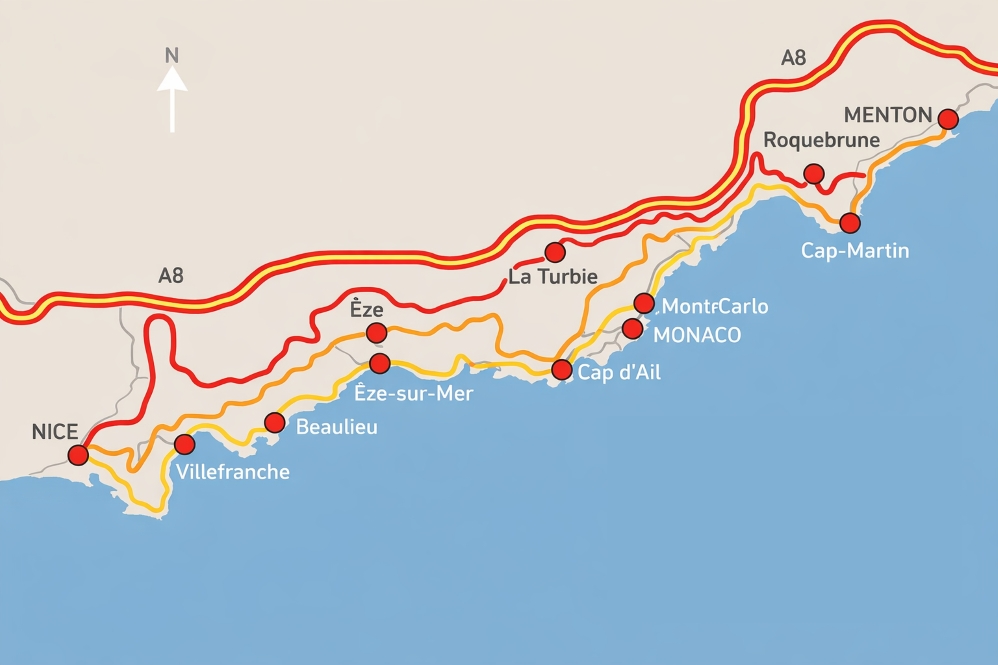
Map of the Les Corniches, Côte d’Azur – French Riviera Elegance – the best coastal roads in the world
The uniqueness of Les Corniches lies in their structure. The roads—Grande Corniche, Moyenne Corniche, and Basse Corniche—trace the coastline at varying elevations, like terraces carved into the cliffs. Each road offers its own rhythm, its own pace, its own relationship with the sea.
The Grande Corniche, the highest of the three, is often described as the most dramatic. Built by Napoleon in the early 19th century, it rises high above the coastline, offering panoramic views that stretch far beyond Monaco into the open Mediterranean. Here, the sea becomes a vast, uninterrupted canvas, and the villages below appear as miniature compositions, suspended between land and water.
Below it runs the Moyenne Corniche, a balanced and versatile route that combines accessibility with sweeping vistas. This road passes through some of the Riviera’s most iconic locations, including the perched village of Èze, and offers a perspective that feels both intimate and expansive.
Closest to the water is the Basse Corniche, a gentle, palm-lined drive that follows the curve of the coastline itself. Here, the Mediterranean is not a distant horizon but a constant companion—close enough to hear, to touch, to feel.
Together, these three roads create a journey that is not linear, but multidimensional.
The 3 Corniches, a journey between sky and sea.
The Riviera Atmosphere: Where Elegance Meets Nature
Driving along Les Corniches is as much about atmosphere as it is about scenery. The Côte d’Azur has long been synonymous with luxury, attracting artists, aristocrats, and travelers in search of beauty and inspiration. This legacy is woven into every curve of the road.
Elegant villas dot the hillsides, hidden among cypress trees and bougainvillea. Yachts glide across the water below, their white silhouettes reflecting the sunlight. The air carries a subtle blend of sea salt and Mediterranean flora, creating a sensory backdrop that feels unmistakably Riviera.
Yet, despite its reputation for glamour, the region retains a sense of authenticity. Small cafés, local markets, and quiet viewpoints offer moments of stillness amid the grandeur. It is this balance—between sophistication and simplicity—that defines the experience.

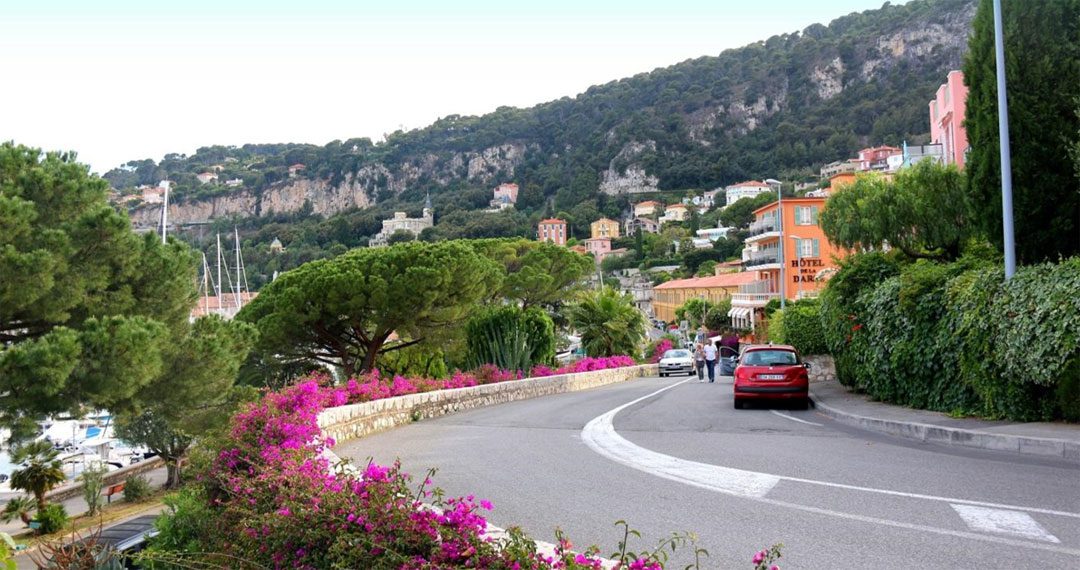
Les Corniches, Côte d’Azur – French Riviera Elegance (photo source: https://www.villahippocampo.com/wp-content/uploads/2024/02/Worth-Driving-On5.jpg)
A Road with Cinematic Legacy – The Best Coastal Roads
Few coastal routes in the world have been as closely associated with cinema as Les Corniches. The Grande Corniche, in particular, has served as a backdrop for numerous films, its sweeping curves and dramatic elevations lending themselves perfectly to the language of motion and storytelling.
Driving here, one cannot help but feel part of a scene—each turn framed like a shot, each viewpoint composed like a painting. The road does not merely connect places; it creates moments, each one unfolding with a sense of anticipation.
This cinematic quality is not accidental. It is a product of light, geography, and design—a convergence that transforms the act of driving into something almost theatrical.
Èze: A Village Suspended Between Sky and Sea
Among the many highlights along the Moyenne Corniche, the village of Èze stands out as a place of quiet wonder. Perched high on a rocky outcrop, Èze seems to defy gravity, its narrow streets winding upward toward a garden that overlooks the sea.
From here, the view is not just expansive—it is transformative. The coastline unfolds below in a series of curves and contours, while the horizon stretches endlessly beyond. It is a place where perspective shifts, where distance becomes depth, and where the scale of the landscape becomes fully apparent.
Walking through Èze, one senses a continuity of time. Stone walls, ancient pathways, and carefully preserved architecture create an atmosphere that feels both timeless and alive.
The Art of the Drive – The Best Coastal Roads
Each of the Corniches offers a different driving experience, and understanding their character is key to appreciating the journey.
- The Grande Corniche is best suited for those seeking elevation and drama. Its wide views and open stretches allow for a sense of freedom, but also require attention to changing road conditions.
- The Moyenne Corniche provides a balanced experience, combining scenic beauty with accessibility. It is often considered the most practical route, especially for those exploring multiple stops.
- The Basse Corniche is ideal for a slower, more relaxed drive, where the focus shifts from panoramic views to the immediate presence of the sea.
Rather than choosing one over the others, many travelers opt to experience all three—ascending and descending between them, allowing the landscape to reveal itself in layers.
Light, Time, and the Mediterranean Horizon
If there is a defining element of the Côte d’Azur, it is light. The way it reflects off the sea, the way it softens the contours of the hills, the way it transforms colors throughout the day—these are not incidental details, but central to the experience.
Sunset, in particular, holds a special place. As the sun lowers toward the horizon, the coastline is bathed in warm tones of gold and amber. Shadows lengthen, the sea darkens, and the entire landscape takes on a quiet, contemplative quality.
To witness this moment from one of the Corniches—whether from a roadside viewpoint or a village terrace—is to understand why this region has inspired generations of artists and travelers.
Why It Remains a European Classic – The Best Coastal Roads
What makes Les Corniches endure as one of Europe’s great coastal drives is not just their beauty, but their versatility. They offer:
- Multiple perspectives within a single destination
- A blend of natural and cultural richness
- Accessibility combined with depth
Unlike more remote or singular routes, Les Corniches allow travelers to engage with the landscape in a variety of ways—driving, walking, exploring, and observing.
They are not just roads, but pathways into the identity of the Riviera itself.
A Journey Beyond the Road – The Best Coastal Roads
Ultimately, the experience of Les Corniches extends beyond driving. It is about pauses—at viewpoints, in villages, along stretches of coastline where the sea meets the land with quiet persistence.
It is about transitions—between elevation and shoreline, between movement and stillness, between observation and immersion.
And it is about memory. The kind that lingers not as a single image, but as a sequence of moments, each connected by the road that brought you there.
👉 This route blends glamour, history, and cinematic beauty—a true European classic.
Lenght:
- Grande Corniche: ~30 km
- Moyenne Corniche: ~25 km
- Basse Corniche: ~20 km
👉 Combined experience: ~30–40 km depending on route combinations
🇭🇷 3. Jadranska Magistrala (E65) – Croatia’s Hidden Gem

Jadranska magistrala silhuette
To travel this road is not simply to move between destinations, but to experience a landscape that feels both expansive and intimate. Unlike the more compact and often crowded coastal drives of Western Europe, the Jadranska magistrala offers space—space to breathe, to pause, and to absorb the environment without interruption.
A Coastline Defined by Contrast – The Best Coastal Roads
What defines this route is contrast. On one side, the Adriatic stretches outward in shades of deep blue and turquoise, its surface shifting with light and wind. On the other, the Dinaric Alps rise sharply, forming a dramatic backdrop that gives the coastline its distinctive character.
Between these two forces lies the road itself, tracing a path that is both natural and deliberate. It follows the contours of the land, adapting to its curves and elevations, creating a rhythm that feels organic rather than engineered.
The sea here is exceptionally clear—so transparent in places that the seabed is visible from above. Islands dot the horizon, appearing and disappearing as the road bends, creating a sense of movement not just through space, but through perspective.

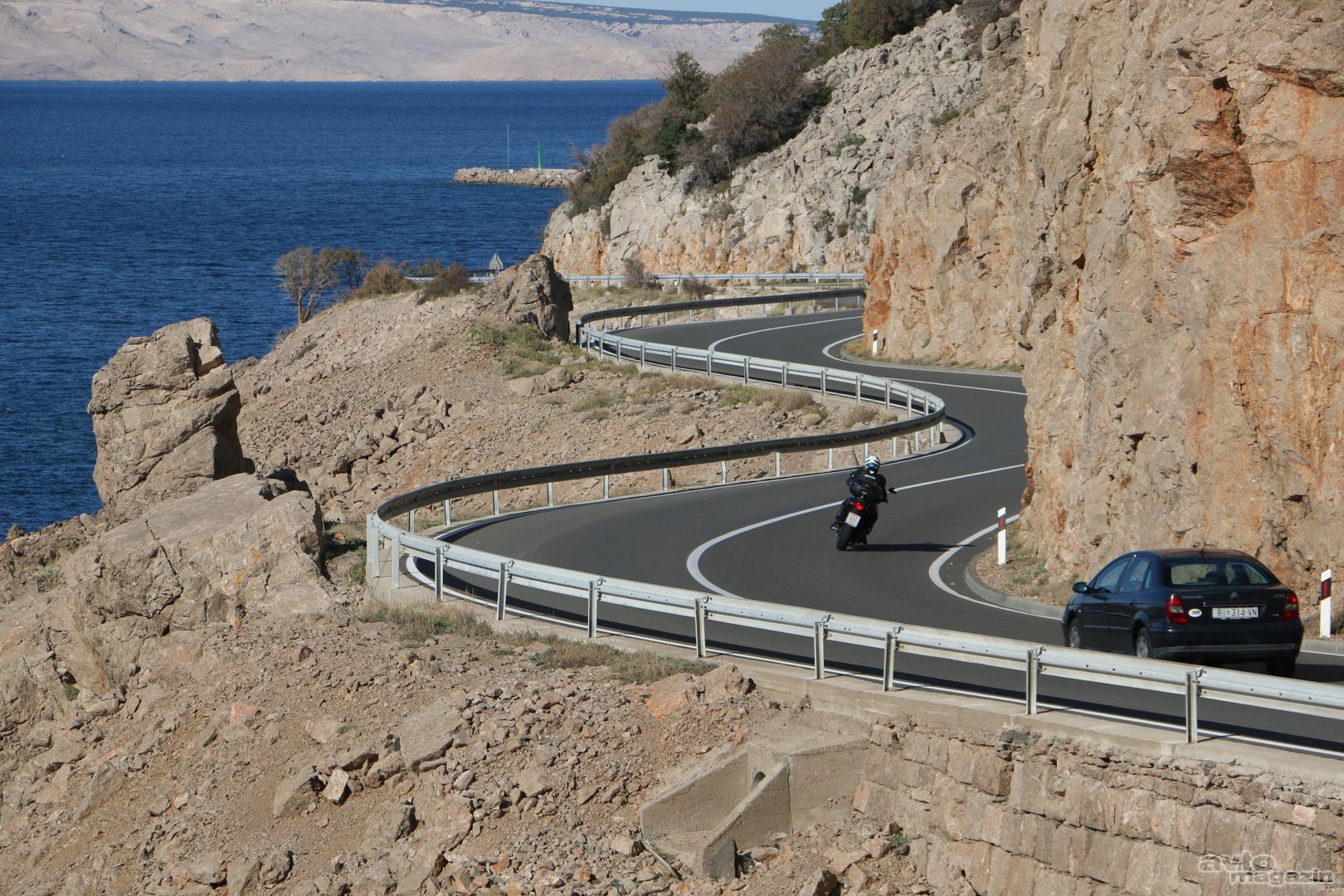
Jadranska magistrala E65 – best coastal roads in the world (image source: https://travelcroatia.live/wp-content/uploads/2022/02/img_3353_biggalleryimage.jpg )
The Freedom of an Open Road – The Best Coastal Roads
One of the most striking aspects of the Jadranska magistrala is the feeling of freedom it offers. Unlike more famous coastal routes such as the Amalfi Coast, where narrow roads and dense traffic can shape the experience, this Croatian highway allows for a more relaxed and expansive journey.
Traffic is lighter, distances are longer, and the pace is entirely yours to define. You can drive for hours without urgency, stopping whenever the landscape invites you to—at a quiet beach, a roadside viewpoint, or a small village where time seems to move differently.
This freedom transforms the road into something more than a scenic drive. It becomes a personal journey, shaped by individual choices and spontaneous discoveries.

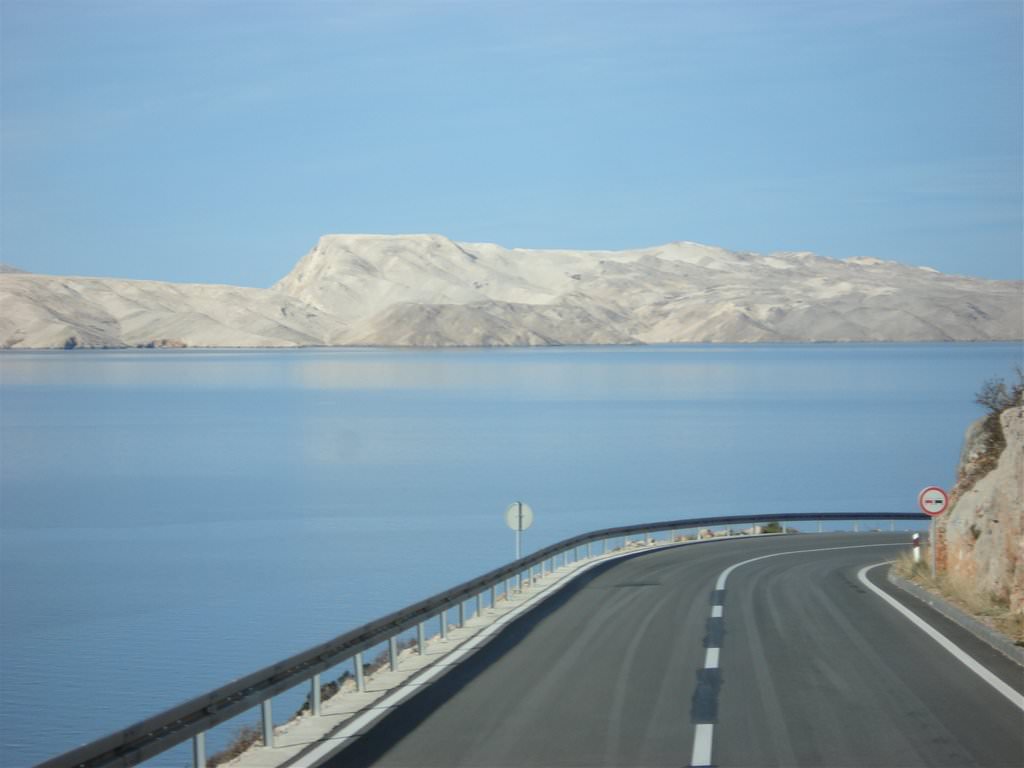
Jadranska magistrala E65 (image source: https://travelcroatia.live/wp-content/uploads/2022/02/0000580271_l_0_7w5f9d.jpg )
An Authentic Mediterranean Experience – The Best Coastal Roads
The Adriatic coast of Croatia retains a sense of authenticity that is increasingly rare in popular travel destinations. Here, the Mediterranean is not curated—it is lived.
Fishing boats still leave harbors in the early morning. Local markets offer seasonal produce, fresh seafood, and regional specialties. Stone houses, weathered by time and salt air, stand as quiet witnesses to generations of coastal life.
Driving along the Jadranska magistrala, you encounter not just scenery, but culture. The rhythm of daily life is visible in small details: laundry hanging from balconies, conversations in shaded cafés, the scent of grilled fish drifting through narrow streets.
This authenticity is not staged—it is inherent, and it is one of the road’s greatest strengths.
Check about the current situation on Jadranska magistrala road at HAK.

Jadranska magistrala E65 – Balkan route 66 – The Best Coastal Roads (image source: https://travelcroatia.live/listing/jadranska-magistrala/)
Zadar – Where History Meets the Sea
The journey often begins or passes through Zadar, a city that blends Roman heritage with modern creativity. Its old town, set on a peninsula, is a mosaic of ancient ruins, medieval churches, and contemporary installations.
Among its most distinctive features are the Sea Organ and the Greeting to the Sun—structures that transform natural elements into art. Waves create music, and sunlight becomes a visual spectacle, connecting the city to the sea in a way that feels both innovative and deeply rooted.
Zadar serves as a gateway to the Adriatic, a place where the journey begins with a sense of curiosity and possibility.
Split – The Living Heart of Dalmatia
Further south lies Split, a city where history is not confined to monuments but integrated into everyday life. At its center stands Diocletian’s Palace, a Roman structure that has evolved into a vibrant urban space.
Walking through Split is an experience of layers—ancient walls, Renaissance architecture, modern cafés—all coexisting within a compact and dynamic environment. The city’s waterfront promenade, lined with palm trees and open to the sea, offers a space for both movement and pause.
For travelers on the Jadranska magistrala, Split is more than a stop—it is a moment of immersion, where the journey intersects with one of Croatia’s most significant cultural hubs.
Makarska Riviera – Where Mountains Touch the Sea – The Best Coastal Roads
As the road continues south, it reaches the Makarska Riviera, a stretch of coastline often considered among the most beautiful in the country. Here, the contrast between mountain and sea reaches its most dramatic expression.
The Biokovo mountain range rises sharply behind the coastline, creating a sense of scale that is both imposing and awe-inspiring. Below, beaches of fine pebbles meet clear, calm waters, offering spaces of quiet and reflection.
Driving through this region, the landscape feels almost cinematic. Each turn reveals a new composition—mountains casting shadows over the sea, islands appearing in the distance, light shifting across the surface of the water.
The Rhythm of the Journey
What distinguishes the Jadranska magistrala is not just its scenery, but its rhythm. The road encourages a flow that alternates between movement and stillness, between exploration and observation.
There are moments of continuous driving, where the landscape unfolds in a seamless sequence. And there are moments of pause, where a viewpoint, a village, or a stretch of coastline invites you to stop and engage more deeply.
This rhythm creates a sense of balance, allowing the journey to feel both dynamic and contemplative.
Light and Atmosphere
As with all great coastal destinations, light plays a central role in shaping the experience. Morning brings clarity, with crisp views and calm waters. Midday intensifies colors, highlighting the contrast between sea and land. And evening transforms the landscape entirely.
Sunset along the Adriatic is a gradual process. The sky shifts through shades of orange and pink, the sea reflects these tones, and the coastline takes on a softer, more introspective quality. It is a time when the journey slows naturally, when the road becomes less about distance and more about presence.
Why It Remains Underrated – The Best Coastal Roads
Despite its beauty, the Jadranska magistrala remains less recognized than other European coastal drives. This is not due to a lack of quality, but rather to its understated nature.
It does not rely on a single iconic image or landmark. Instead, it offers a continuous experience—one that reveals itself gradually, through accumulation rather than spectacle.
This subtlety is precisely what makes it special. It rewards those who are willing to engage with it fully, to travel not just through space, but through atmosphere and time.
A Road for Those Who Seek More – The Best Coastal Roads
For travelers looking beyond the obvious, the Jadranska magistrala offers something rare: a combination of natural beauty, cultural authenticity, and personal freedom.
It is a road that does not impose itself, but invites exploration. A road that does not overwhelm, but unfolds.
👉 It’s a dream route for those who value raw beauty, open space, and the kind of travel that remains long after the journey ends.
- Total length: ~600+ km (Croatian section)
- Extends from Rijeka → Zadar → Split → Dubrovnik
👉 One of the longest and most diverse coastal drives in Europe
🇭🇷 4. The Mars Road – (Pag Island, Croatia) – A Surreal Coastal Experience
There are destinations that impress.
There are roads that inspire.
And then—there are places so viscerally unreal that they break your sense of geography entirely.
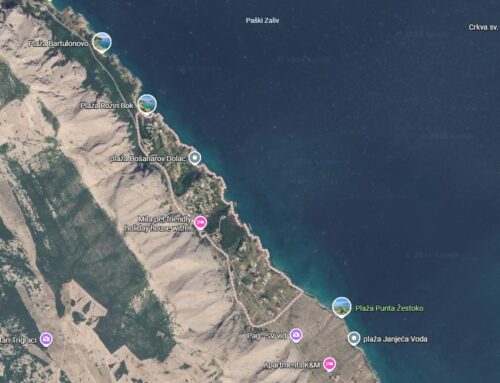
Welcome to The Mars Road—the legendary stretch between Caska and Metajna, carved into the wild, elemental body of Pag.
Novalja tourist board official
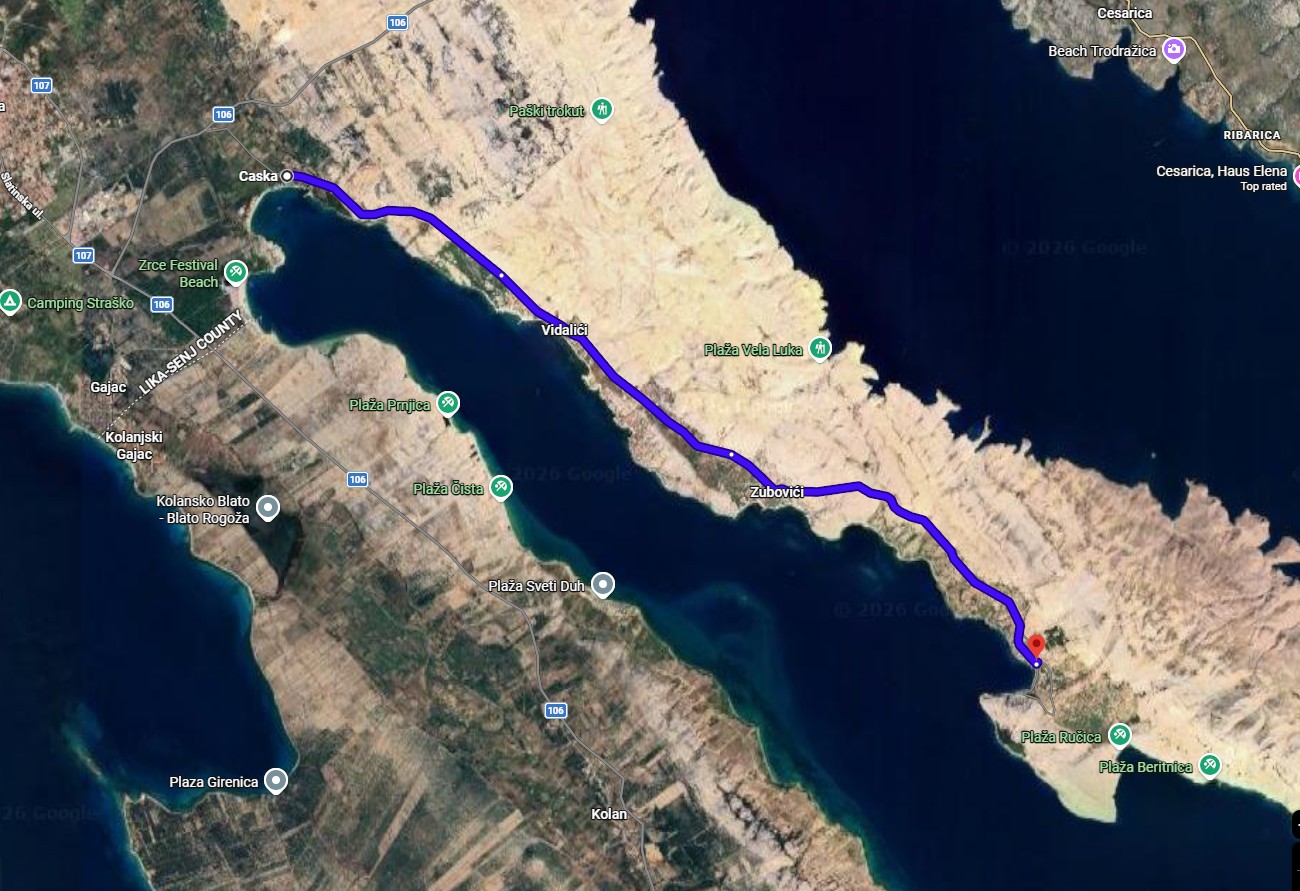
The Mars Road – The Most Iconinc Drive on the Island of Pag – The Best Coastal Roads
This is not just a road.
This is a rupture in reality.
A place where Earth forgets itself—and becomes something else entirely.
The name “The Mars Road”, first given by Blaž Fabjan, is not poetic exaggeration.
It is precision.
The Moment Reality Collapses
The transformation begins almost without warning.
You leave behind the familiar coastal softness of Pag—blue water, scattered greenery, the quiet charm of Mediterranean life. But as the road pulls away from Caska, something shifts.
The color drains.
The land hardens.
The world simplifies into something brutal, minimal, and terrifyingly beautiful.
And then—suddenly—you are no longer driving through Croatia.
You are driving through Mars.

The Mars Road – Croatia (Island of Pag) – The Best Coastal Roads
A Landscape That Should Not Exist – The Best Coastal Roads
Nothing prepares you for the scale of this terrain.
No forest.
No shade.
No softness.
Only:
- endless white stone, cracked and fractured like ancient bone
- razor-edged ridges, sculpted by centuries of relentless wind
- vast emptiness, stretching toward infinity
- a sky so clean and deep blue it feels unreal
This is the domain of the Velebit wind—the infamous bura, which has stripped this land down to its purest geological essence.
What remains is not landscape.
It is exposure.
Raw.
Unfiltered.
Unforgiving.
And utterly mesmerizing.
How to get to Pag island (click here)

The Mars Road – landscape is like on a Mars – The Best Coastal Roads
The Drive: Control, Speed, and Surrender – The Best Coastal Roads
The road itself is narrow, intimate, and demanding.
It does not allow distraction.
It forces presence.
Every curve reveals a new composition:
- a cliff dropping into impossible blue water
- a plateau of stone glowing under harsh sunlight
- shadows cutting across the terrain like knife marks
There are no barriers between you and the elements. No artificial polish. No tourist comfort.
Just you.
The machine.
And a landscape that feels like it could swallow time itself.

The Mars Road on the way to Metajna – The Best Coastal Roads
Zubovići — The Last Trace of Earth
Halfway through this alien passage, you encounter Zubovići.
It feels… impossible.
A small cluster of human life, suspended between sea and stone, resisting the overwhelming dominance of nature.
Boats rest quietly in the water.
Houses cling to the shoreline.
But look beyond—and Mars returns instantly.
Zubovići is not a stop.
It is a pause between dimensions.
Kustići — The Calm Before The Drop
Further along lies Kustići, where the road briefly softens its grip.
Here, the horizon opens.
The sea expands.
The tension releases—for a moment.
Because what comes next is the most dramatic phase of the entire journey.
The Descent — Entering The Stone Canyon
As you approach Metajna, the road begins to fold inward.
The landscape compresses.
The walls rise.
The air thickens.
You are no longer driving across a surface.
You are descending into a stone-carved canyon, where light and shadow clash in sharp, cinematic contrast.
Every second feels staged.
Every angle looks engineered by something far beyond human design.
This is the core of The Mars Road.
This is where it becomes unforgettable.
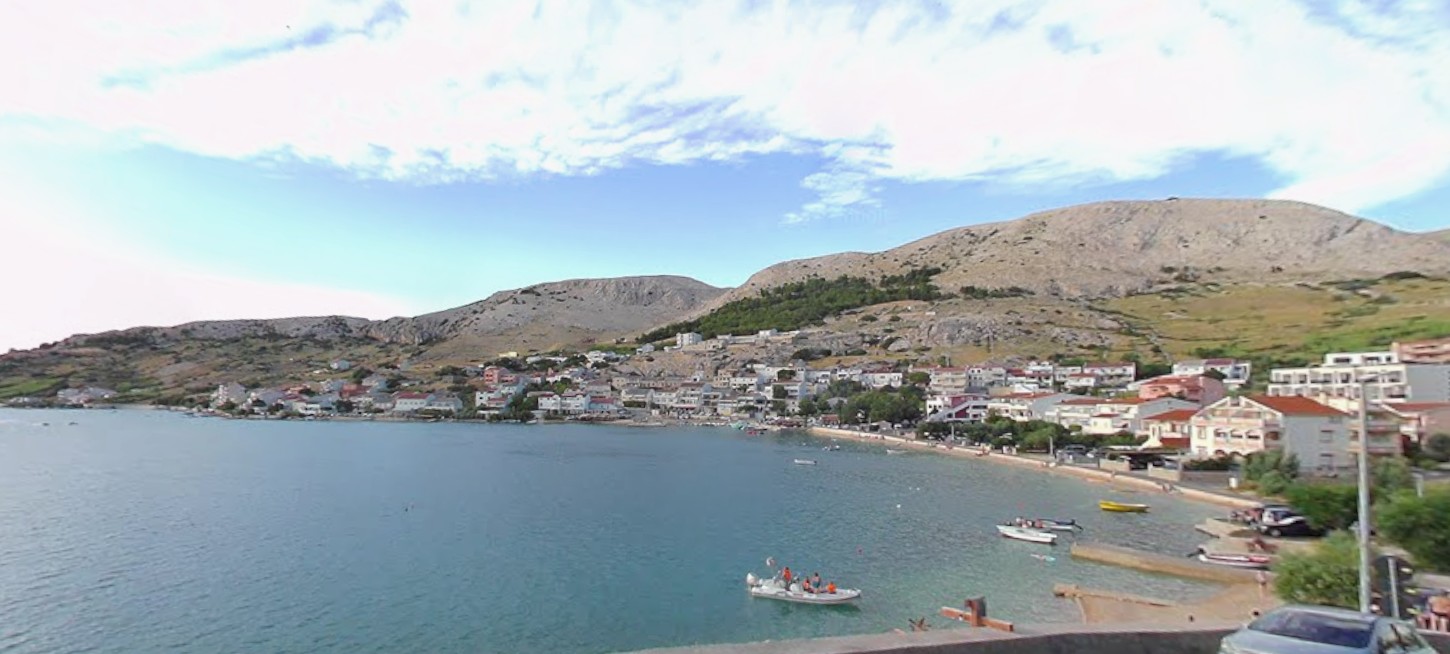
The Mars Road and The Mars Trail – The Best Coastal Roads
Ručica Beach — Where Mars Road Ends
At the edge of this surreal world lies
Ručica Beach
And here—everything stops.
No noise.
No movement.
No distraction.
Only:
- towering rock formations rising like alien monuments
- crystal-clear water, impossibly pure
- silence so deep it feels physical
This is not a beach.
This is a threshold.
A place where the Earth reveals its most extreme expression of beauty—without compromise, without decoration.

The end of The Mars Road is Beach Ručica – Pure Hidden Gem on the Island of Pag – The Best Coastal Roads
The Light — A Transformation Event
If you arrive at the wrong time, The Mars Road is stunning.
If you arrive at the right time—it becomes transcendent.
At sunset:
- the white stone ignites into gold
- shadows stretch into infinity
- the sea turns into liquid sapphire
The entire landscape shifts from harsh to divine.
From Mars…
to something that feels almost sacred.
Why This Road Destroys Expectations
The world is full of famous roads:
- Amalfi
- Pacific Coast Highway
- Côte d’Azur
They are beautiful.
They are iconic.
But they are still… Earth.
The Mars Road is different.
It doesn’t impress you.
It disorients you.
It removes reference points.
It strips away expectations.
It forces you to confront something raw and elemental.
The Name That Defined It
When Blaž Fabjan first called this stretch “The Mars Road,” it wasn’t marketing.
It was recognition of something undeniable.
Because once you experience it, there is no alternative name that fits.
Not coastal road.
Not scenic route.
Only:
The Mars Road.
A European Secret — FOR NOW
Despite its overwhelming power, this road remains largely undiscovered.
No mass tourism.
No heavy traffic.
No artificial hype.
Which means one thing:
You are experiencing something rare.
Something untouched.
Something that still belongs to those who seek—not those who follow.
The Mars Road is not just one of the most beautiful drives in Croatia.
It is:
- one of the most extreme landscapes in Europe
- one of the most cinematic roads on the planet
- one of the few places where you genuinely feel like you’ve left Earth
AND WHEN YOU DRIVE IT…
You will understand.
Why the name exists.
Why it had to exist.
Why it could only be called one thing.
- Length: ~10–15 km (depending on section)
- Located between Caska – Metajna – Pag island interior
👉 Short but extremely unique, often described as the most “otherworldly” road in Croatia
THE MARS ROAD
Not a road. A different world.
🚗 Why Coastal Road Trips Are Trending – The Best Coastal Roads
Travel trends are shifting toward:
- slow travel
- road trip freedom
- authentic experiences
Coastal drives perfectly match this demand—offering flexibility, stunning scenery, and unforgettable moments.
The World’s Most Beautiful Coastal Drives
What Makes a Coastal Road Truly Scenic?
A truly scenic coastal road is more than a route between two points—it is an experience shaped by visual beauty, emotional impact, and the way the road interacts with its surroundings. The best coastal drives stay with you long after the journey ends, not because of distance covered, but because of how they made you feel.
1. Landscape – The Best Coastal Roads in the World
The foundation of any scenic coastal road is its landscape. This is where the road meets the raw elements of nature—sea, cliffs, sky, and light. Dramatic elevation changes, rugged coastlines, and expansive ocean views create a constant sense of movement and discovery.
What separates an average coastal road from an extraordinary one is contrast. Steep cliffs dropping into deep blue water, quiet bays hidden between rock formations, or stretches of road where land seems to dissolve into the horizon—these moments create visual tension and beauty. The landscape should feel alive, constantly shifting with every turn.
Light also plays a critical role. Morning softness, midday clarity, and golden hour warmth can completely transform the same road into three different experiences.
2. Driving Experience – The Best Coastal Roads in the World
A scenic road is not just something you look at—it is something you engage with. The driving experience determines how connected you feel to the environment.
Curves, elevation changes, and rhythm matter. A road with perfectly timed bends, sudden viewpoints, and sections that demand focus creates a deeper connection between driver and landscape. Narrow passages along cliffs or sweeping panoramic stretches both contribute to a sense of immersion.
The best coastal roads require attention without overwhelming the driver. They pull you in, making you part of the journey rather than just an observer. Every turn feels intentional, every straight offers a moment to breathe.
3. Uniqueness – The Best Coastal Roads in the World
What ultimately makes a coastal road unforgettable is its uniqueness. This is the element that gives a road its identity—something that cannot be replicated anywhere else in the world.
It could be the architectural charm of villages built into cliffs, an unusual geological formation, or even a surreal landscape that feels almost otherworldly. Some roads feel cinematic, others feel raw and untouched.
Uniqueness is also about emotion. The road should evoke something distinct—excitement, calm, awe, or even tension. The most iconic coastal drives are not just beautiful; they are recognizable, memorable, and impossible to confuse with any other place.
🏝️ Where to Stay on Your Coastal Adventure – The Best Coastal Roads
If your journey takes you along the Adriatic coast, staying in a comfortable seaside apartment enhances the entire experience.
👉 Explore premium accommodation at
Apartment Pag
Enjoy:
- direct access to the sea
- peaceful surroundings
- the perfect base for exploring Croatia’s coastline
✨ Final Thoughts
From the dramatic cliffs of Italy to the glamorous Riviera and the untouched beauty of Croatia, these are truly the best coastal roads in the world.
Quick recap:
- Amalfi Coast (Italy) – the ultimate classic
- Les Corniches (France) – elegance and variety
- Jadranska Magistrala (Croatia) – hidden paradise
- The Mars Road – (Pag Island, Croatia)
❓ FAQ – Best Coastal Roads in the World
1. What is the most scenic coastal road in the world?
The Amalfi Coast is widely considered the most scenic coastal road in the world. Its dramatic cliffs, colorful villages like Positano, and breathtaking Mediterranean views create a perfect combination of nature, culture, and driving experience.
2. Which coastal road is best in Europe?
The best coastal roads in Europe include:
- Amalfi Coast (Italy) – iconic and world-famous
- Les Corniches (France) – elegant and panoramic
- Jadranska magistrala (Croatia) – authentic and less crowded
- The Mars Road (Croatia, Pag Island) – unique, otherworldly landscape
👉 The inclusion of The Mars Road adds a completely different dimension—raw, minimalistic, and unlike any classic Mediterranean drive.
3. What is The Mars Road on Pag Island?
The Mars Road is a unique scenic road located on Pag Island, known for its moon-like landscape, rocky terrain, and surreal atmosphere.
Unlike traditional coastal roads filled with greenery, this route feels almost extraterrestrial—offering:
- dramatic barren landscapes
- sharp contrasts between stone and sea
- one of the most photogenic roads in Croatia
👉 It is increasingly recognized as one of the most unique coastal drives in Europe.
4. What is the best coastal road trip in Croatia?
The Jadranska magistrala is the main coastal route, but for a truly unforgettable experience, combine it with The Mars Road on Pag Island.
This combination offers:
- long scenic Adriatic drives
- hidden beaches
- one-of-a-kind landscapes
5. What are the best scenic drives in the world?
Some of the most scenic drives globally include:
- Amalfi Coast (Italy)
- Great Ocean Road (Australia)
- Atlantic Road (Norway)
- Jadranska magistrala (Croatia)
- The Mars Road (Croatia, Pag Island)
👉 The Mars Road stands out for its completely different, almost “non-Earth” visual experience.
6. When is the best time to drive coastal roads in Europe?
The best time is May–June and September, when the weather is ideal, roads are less crowded, and visibility is perfect for scenic drives.
7. Where should I stay during a Croatia coastal road trip?
For the best experience, stay on Pag Island, especially if you want to explore both the Adriatic coast and The Mars Road.
Top accommodations include:
- Boutique Villa Nirvana
- Boutique Villa Nirvana 2
- Villa The Secret Diamond
✍️ About the Author
Written by Tomislav Lončar
Published on March 31, 2026
Tomislav Lončar is a travel-focused content creator and digital strategist specializing in coastal destinations, luxury accommodations, and high-performance SEO content for tourism websites.

Leave A Comment